Disarmament & Regional Security
Promoting Peace and Stability in Bosnia and Herzegovina
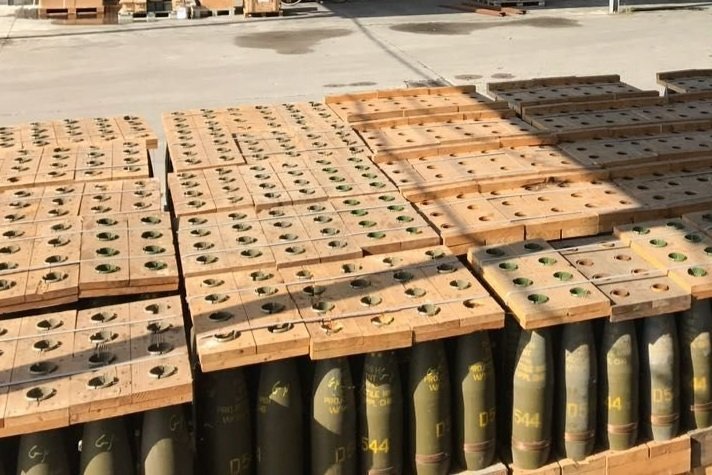
Disarmament efforts in Bosnia and Herzegovina are crucial for sustaining stability and security in a post-conflict society. The continued presence and easy accessibility of former weapons of war threaten communities and hinder the progress of civil society. The proliferation of arms and materiel not only jeopardizes safety within Bosnia and Herzegovina, but also poses risks to the entire Western Balkans region, emphasizing the urgent need for enhanced regional cooperation—especially in border areas. DTCare is committed to fostering peace and reconciliation, which are essential for healing divisions and building a resilient, unified nation. Our initiatives focus on rebuilding relationships, cultivating shared interests, and promoting dialogue and education instead of deepening existing divides.
By encouraging cooperation and collaborative problem-solving, DTCare empowers former adversaries and communities to move beyond past conflicts and embrace peaceful coexistence. We believe sustainable economic development and long-term prosperity are only possible through trust, mutual respect, and collective action. Through its peacebuilding and capacity-building programs, DTCare is paving the way for a safer future for Bosnia and Herzegovina's citizens. DTCare’s ALERRT initiative provides essential active attack preparedness training, helping build crisis response capacity and strengthen community resilience. Following the landmark 2025 workshop in Bosnia and Herzegovina, CANDOR continues to drive innovation in emergency management and strengthen disaster resilience throughout the Western Balkans.

ALERRT: Advanced Active Attack Preparedness for Safer Communities
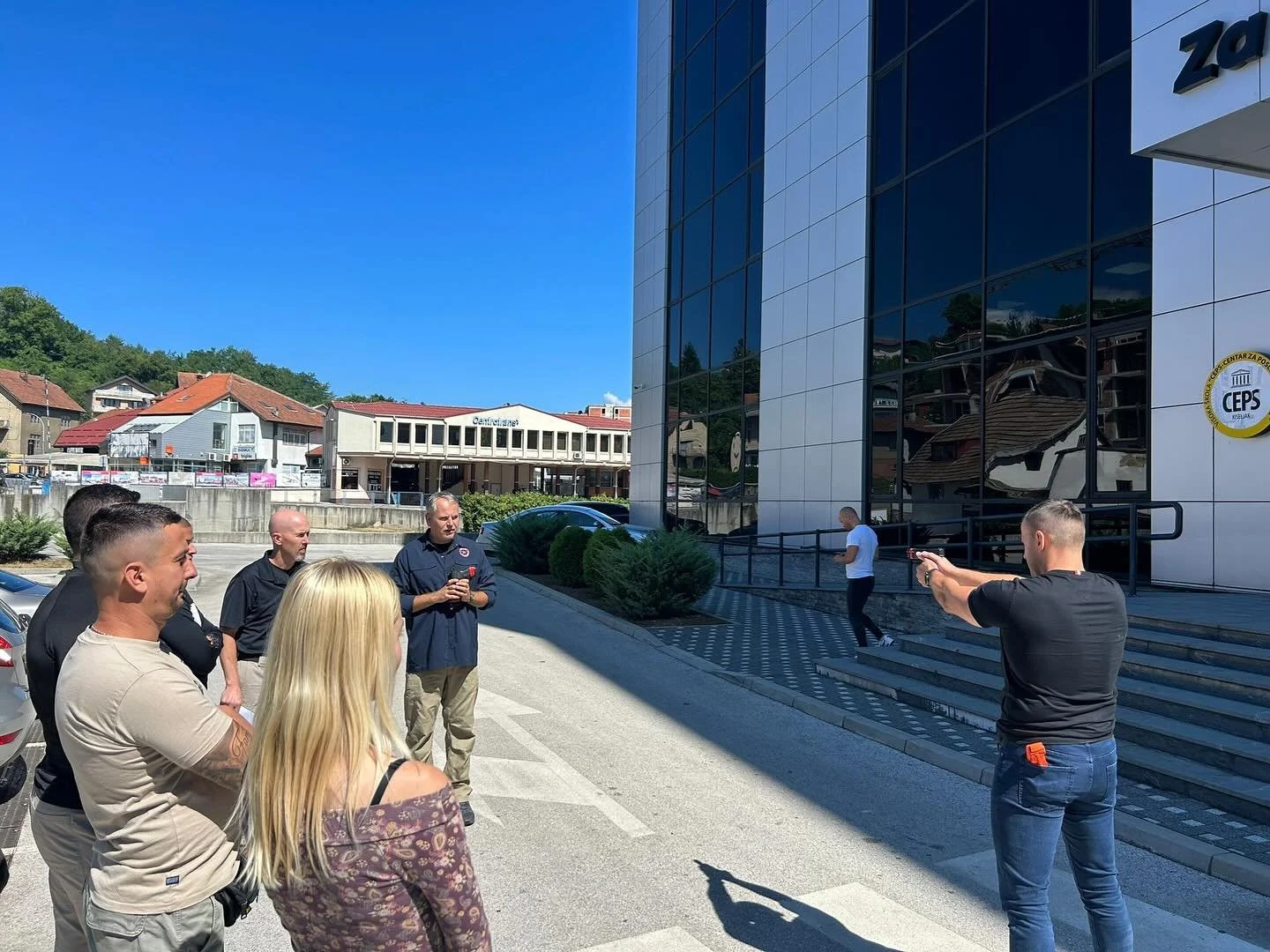
DTCare’s Active Attack Preparedness initiative, in partnership with Texas State University’s ALERRT Center and CEPS College, is dedicated to advancing active attack preparedness and response strategies for local law enforcement, schools, organizations, and communities. Recognizing that rapid, coordinated action can save lives in active threat situations, ALERRT equips first responders, educators, and community leaders with life-saving skills and practical knowledge.
The ALERRT program offers a comprehensive approach that includes tactical workshops, educational seminars, and scenario-based exercises. Participants learn evidence-based strategies for immediate response, threat assessment, and crisis management tailored to real-world situations. By emphasizing hands-on training and practical decision-making under stress, ALERRT empowers individuals and teams to act confidently and effectively when every second counts.
Beyond direct training, ALERRT supports community-wide readiness by promoting communication among stakeholders, fostering a culture of safety, and integrating best practices from global emergency response experts. Through these efforts, DTCare helps build resilient, well-prepared communities equipped to protect lives and limit harm in the face of violence or attacks. ALERRT is a vital resource for anyone seeking to enhance security and emergency preparedness within their organization or neighborhood.
Read more about DTCare’s Active Attack Preparedness initiative here.

CANDOR: Building Regional Capacity for Natural Disaster Preparedness and Response
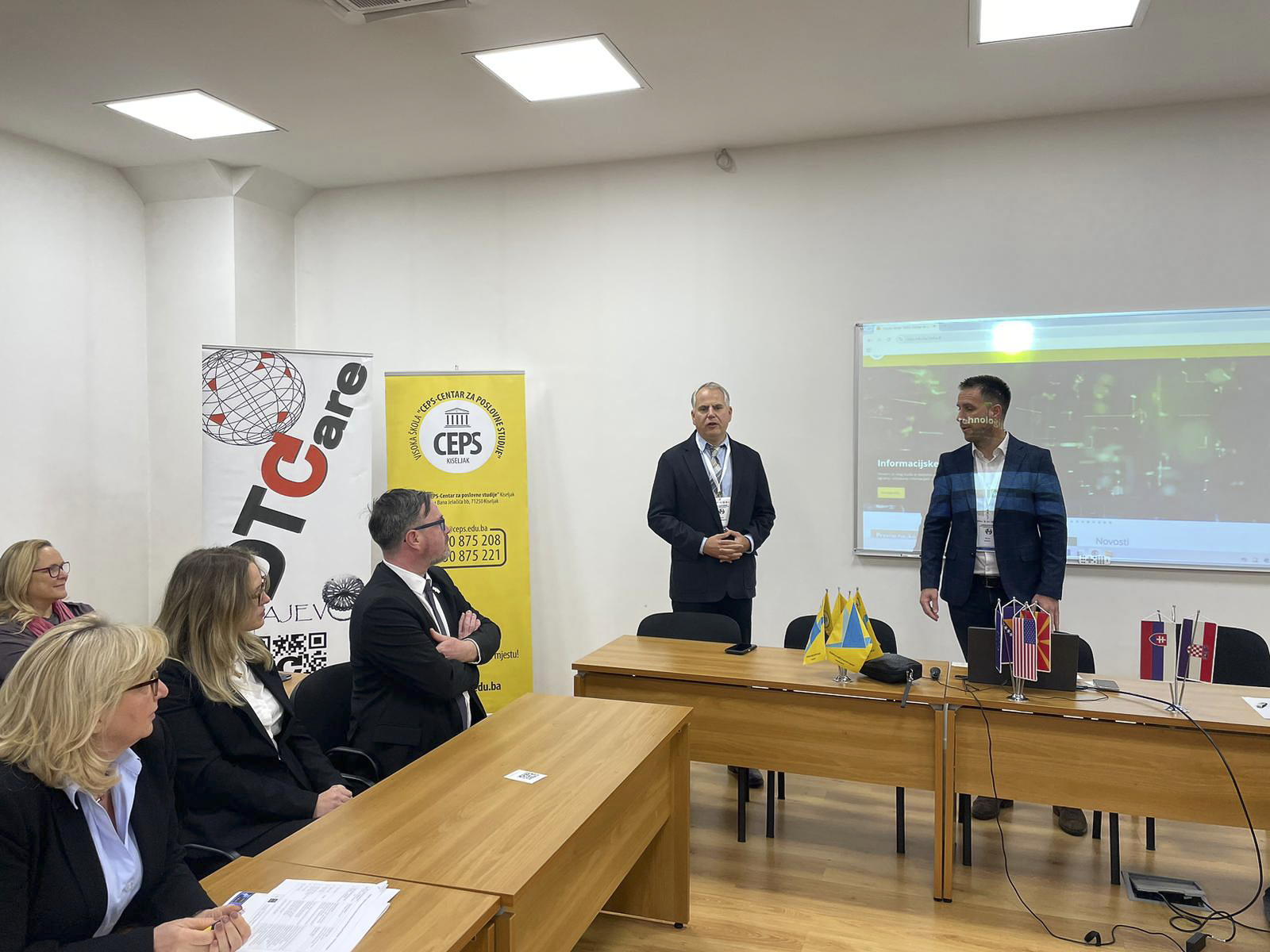
DTCare’s CANDOR (Complete Awareness in Natural Disaster Overcoming and Recovery) initiative plays a critical role in strengthening the Western Balkans’ capacity to predict, prepare for, and recover from natural disasters. Sponsored by the NATO Science for Peace and Security Program, CANDOR aims to enhance regional resilience through expert-led training, research, and international collaboration.
CANDOR gained national prominence with its 2025 workshop in Bosnia and Herzegovina—the first of its kind in the country—bringing together leading disaster management professionals from 11 countries. This milestone event provided practical training in emergency response, facilitated the exchange of best practices, and introduced innovative technologies to support effective disaster management.
A core focus of the CANDOR initiative is advancing both readiness and recovery. By connecting local responders with international experts, CANDOR ensures that communities are better equipped to respond quickly and efficiently to floods, earthquakes, and other crises. The program also emphasizes the importance of continuous learning, community engagement, and capacity building for long-term safety and resilience.
Moving forward, DTCare is leveraging CANDOR's momentum to establish the Regional Training Center for Natural Disaster Response (RECENTER), which will serve as a hub for ongoing education and innovation in disaster preparedness across the Western Balkans.
Read more about the CANDOR Workshop here.

Summer School for Critical Infrastructure Risk Management and Practical Exercise in Sarajevo
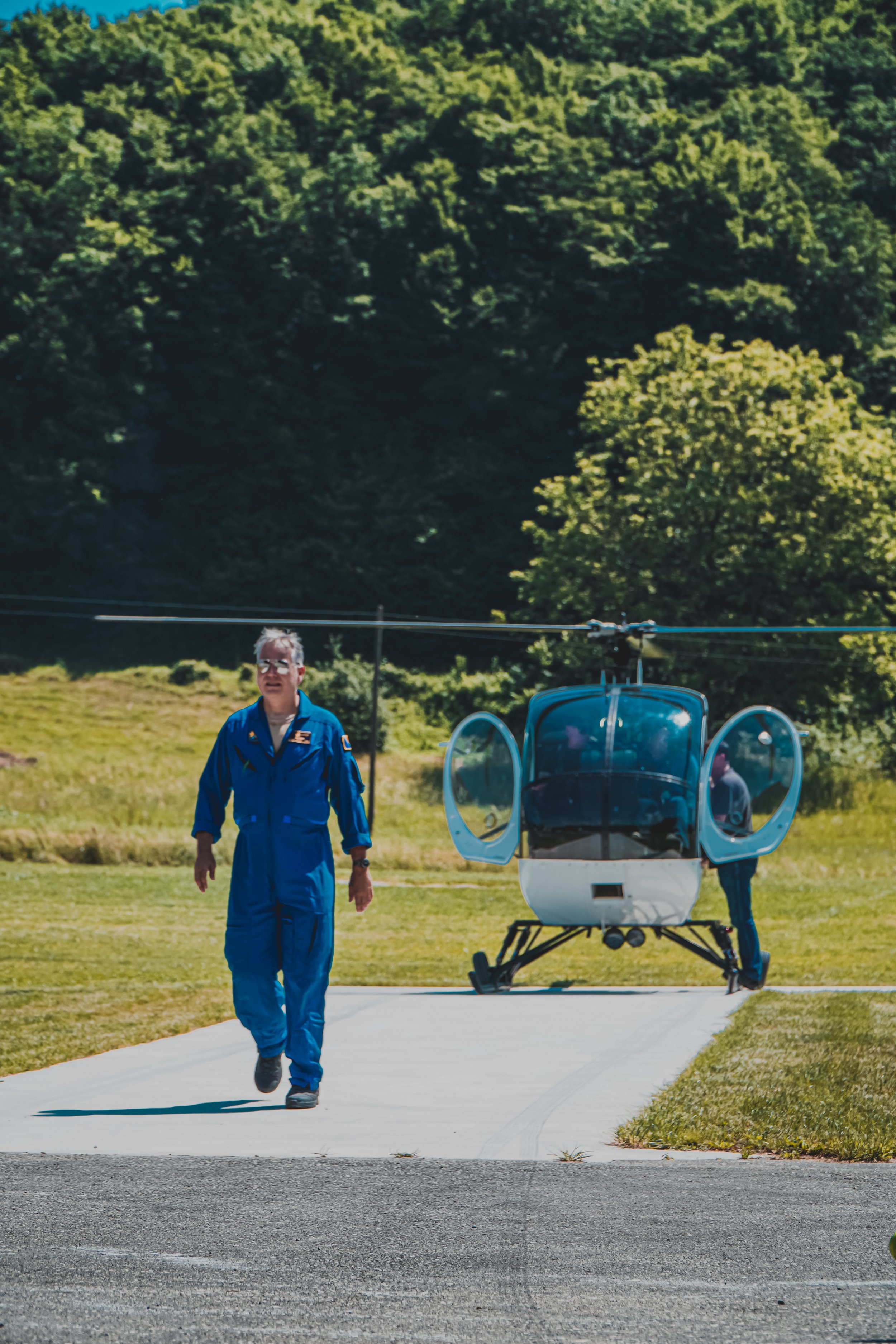
DTCare Sarajevo is sponsoring several activities at the Critical Infrastructure Risk Management Summer School, held from June 6th to the 8th, 2024, and organized by CEPS’s School of Applied Sciences on campus in Kiseljak, Bosnia and Herzegovina. We are happy to announce that Mr. Larry Balding, the regional director of the ALERRT program at Texas State University, will be in attendance and, in cooperation with DTCare and CEPS, explore the possibility of establishing a similar critical response program in Bosnia and Herzegovina. The summer school is expected to attract participants from Montenegro, Serbia, Croatia, North Macedonia, Poland, and Spain. The summer school will also culminate with the practical exercise held at the Kresevo Sporting Airfield in cooperation with Foundation DVA on June 8th (Saturday) from 08:30–11:30, featuring the combination of sensor systems, vehicles, and helicopters to showcase the possibilities in protecting critical infrastructure.

DTCare Explores the Role of Former Paramilitary Organizations at International Security Conference
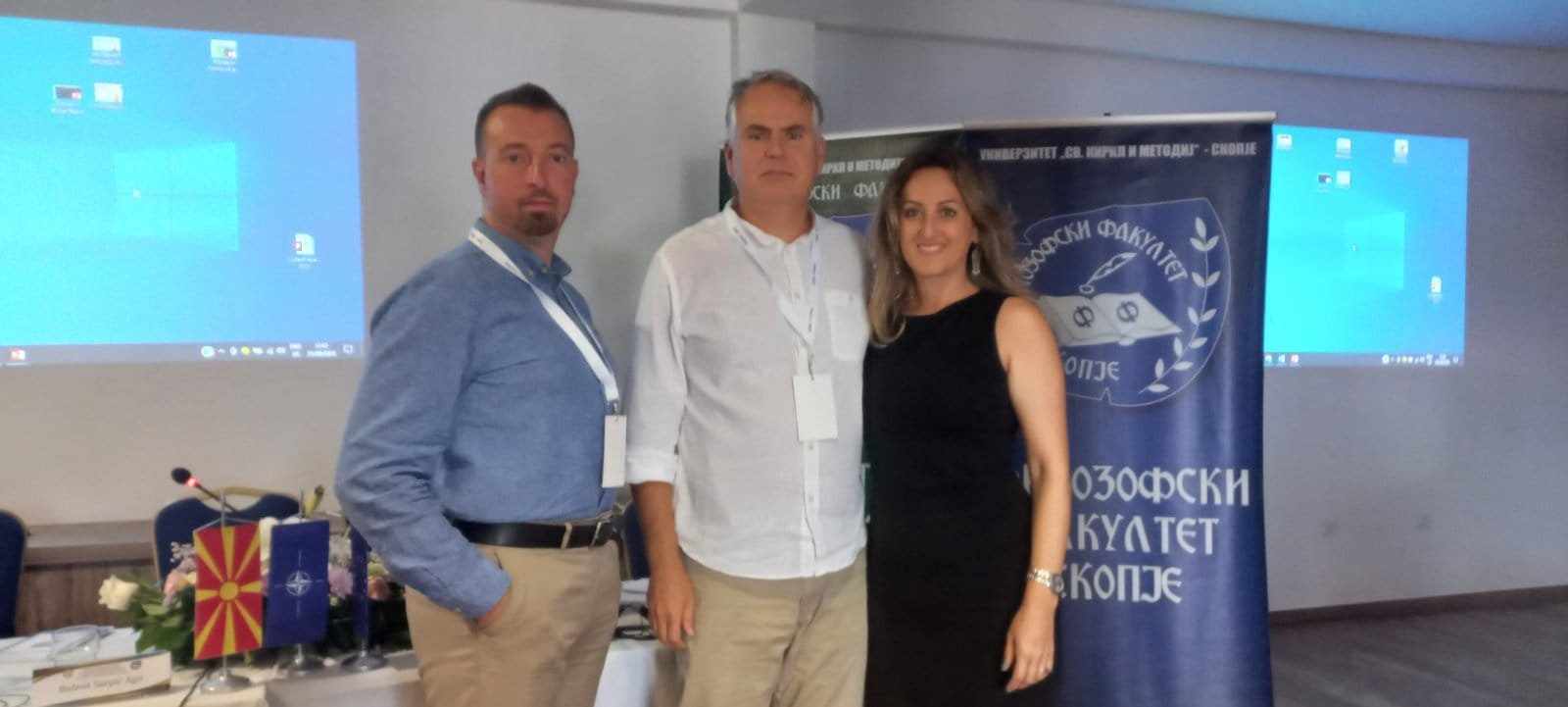
DTCare participated and presented at the International Conference “Temporary Security Ripples or New World Architecture of Security”. DTCare’s Andy Brown and Amer Smailbegovic have presented a comparative study on the role of former paramilitary organizations as a proxy for civil defense: Bosnia and Herzegovina and Lebanon. The conference presented an excellent venue to exchange ideas and build partnerships for future activities in the Western Balkans. The paper will be published in the Security Dialogues Journal Vol. 15.

Summer School in Emergency Preparedness, Protection, and Rescue
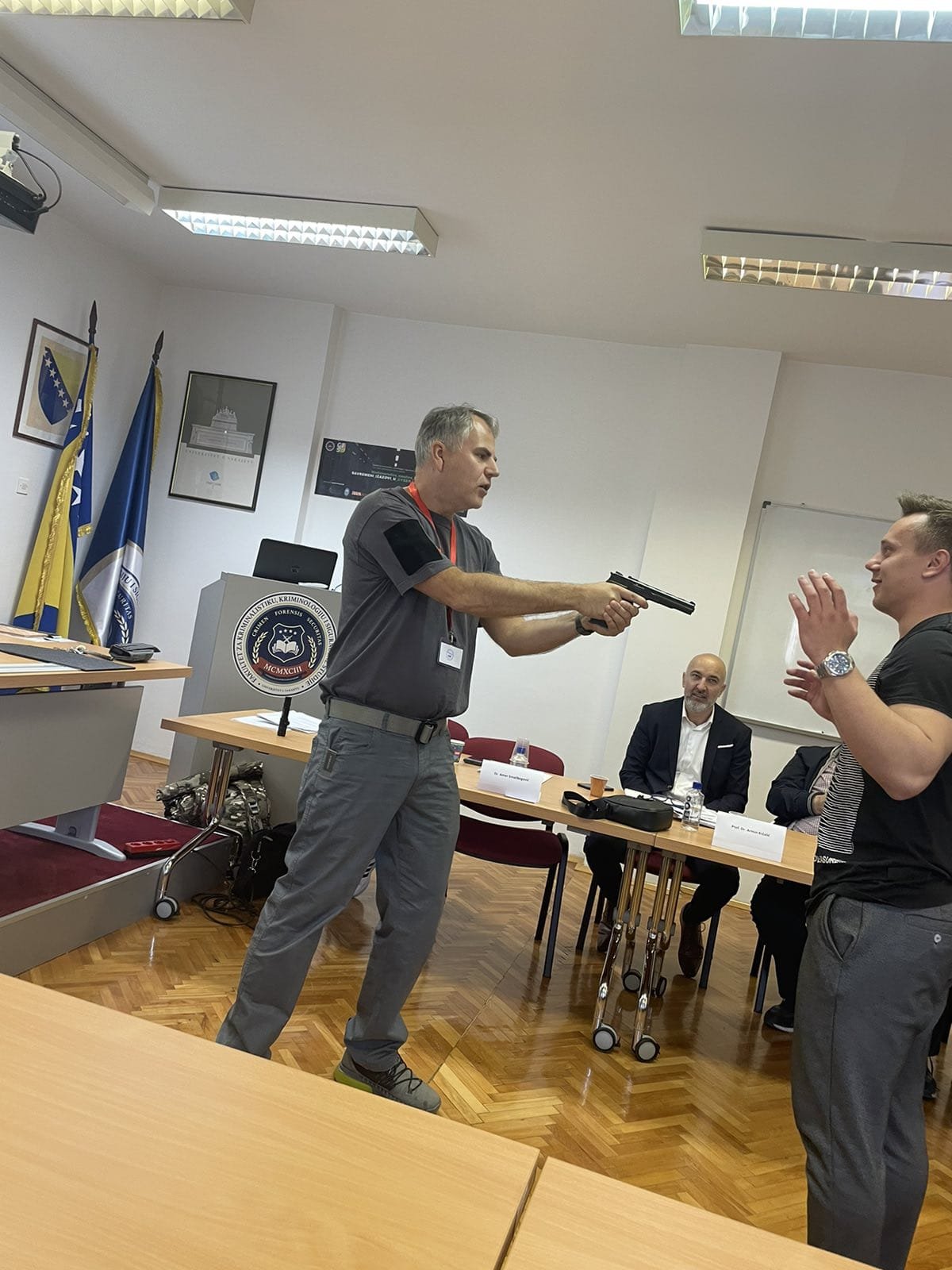
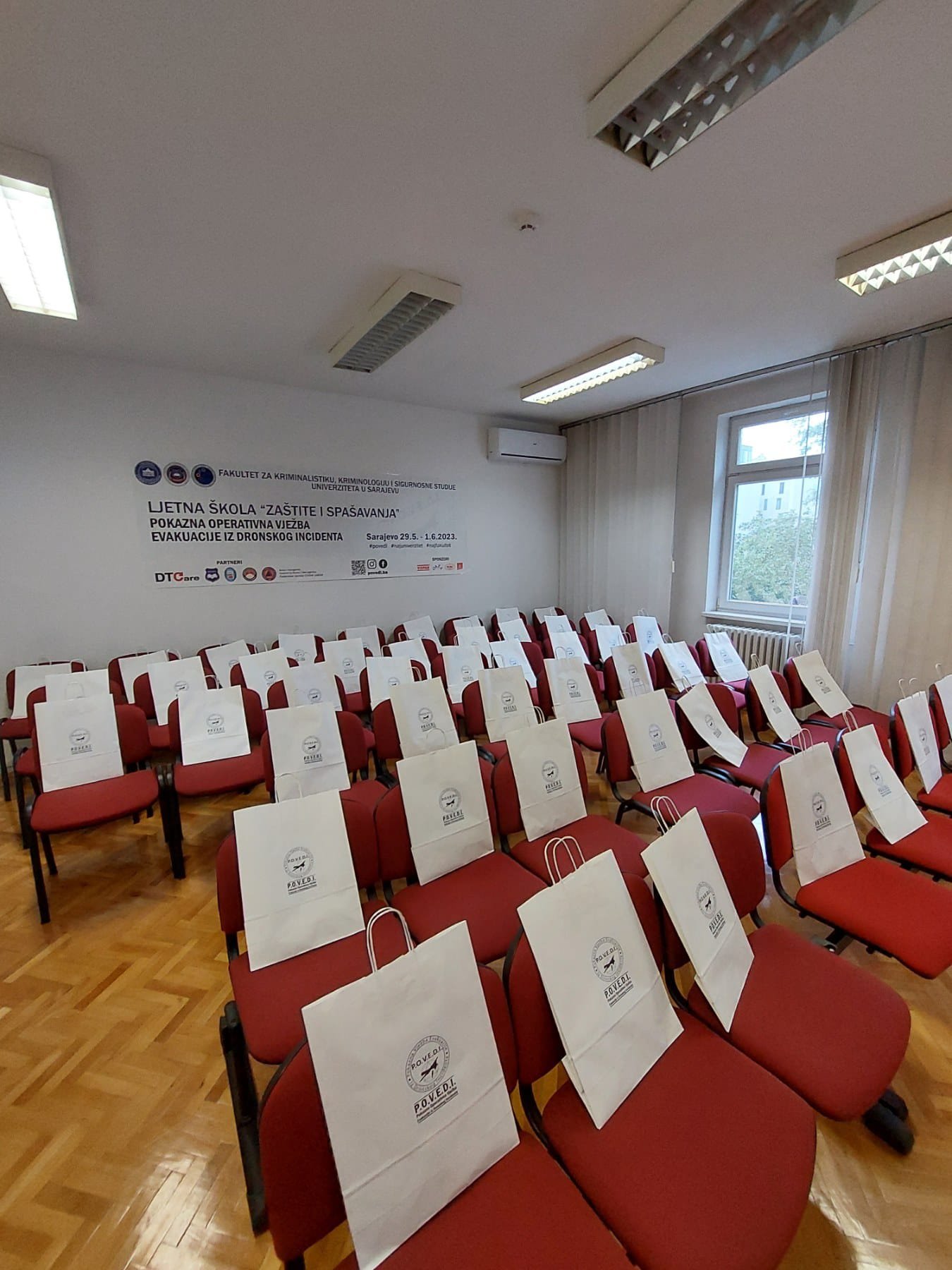
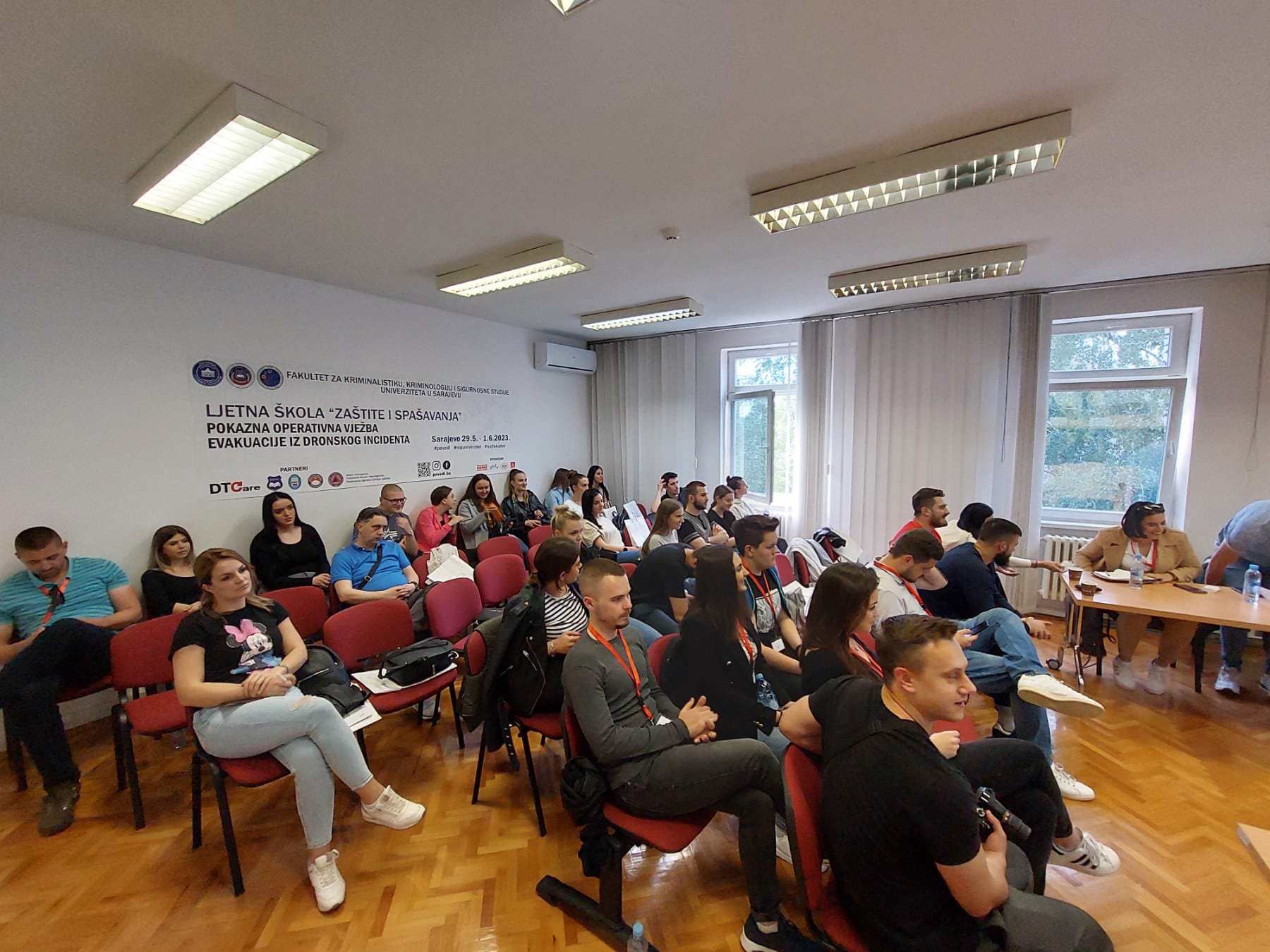
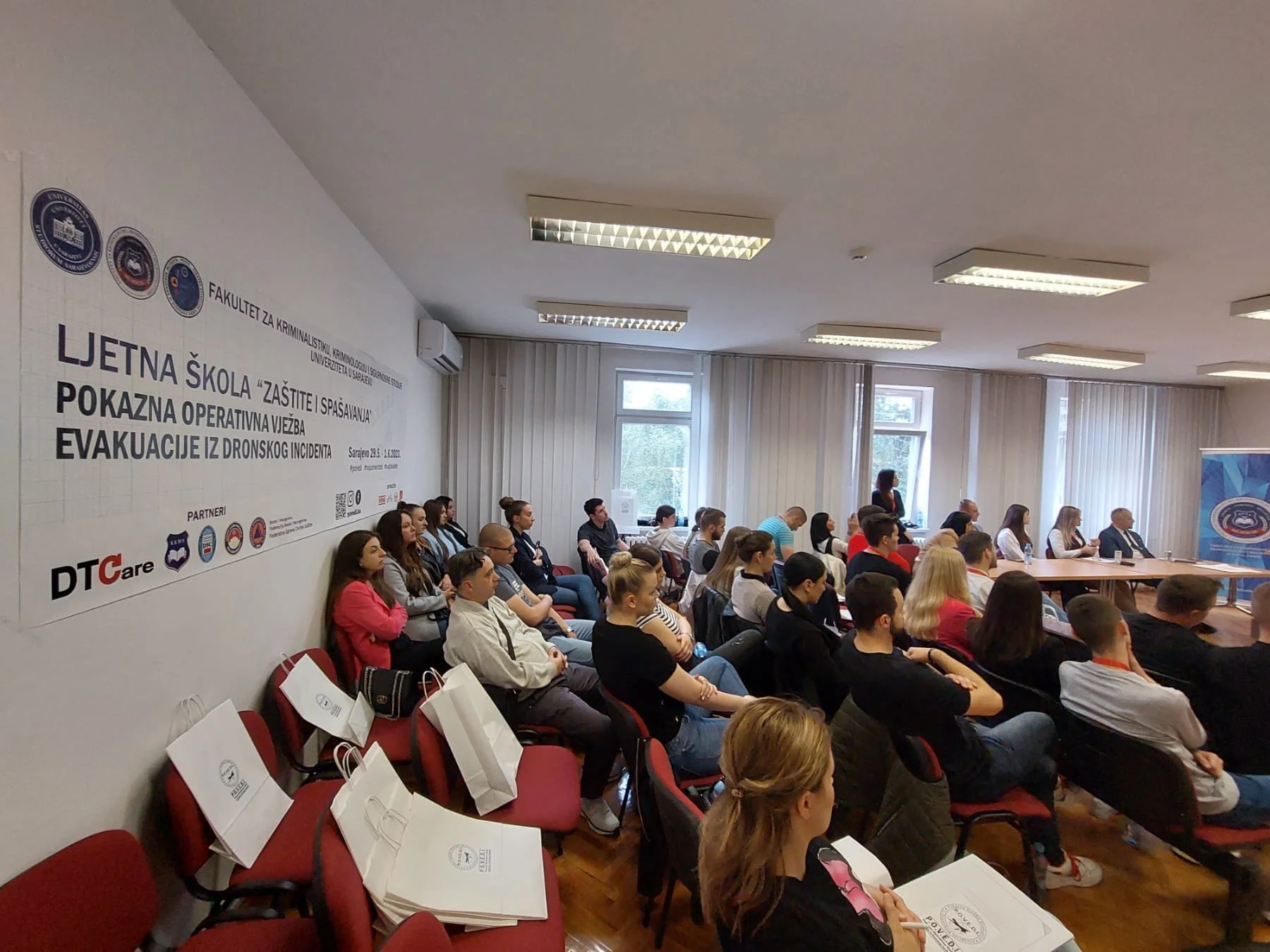
DTCare partnered with the University of Sarajevo's Faculty of Criminology, Criminal Justice and Security Studies, Federal Directorate of Civil Defense, DSC Sarajevo, Mountain Rescue Service, and the Municipal Police Force of Sarajevo to bring an emergency preparedness, protection, and rescue summer training to fifth-year Security Studies students from May 29 through June 1. Fifth-year students of the Integrated Security Studies program at the Faculty of Criminology, Criminal Justice, and Security Studies at the University of Sarajevo are working on a project to implement an incident-response exercise titled P.O.V.E.D.I (Practical Operational Vulnerability Exercise on a Drone Incident).
This exercise aims to train and evaluate the means of reporting and reacting to dangerous incidents and the ability of responsible services, students, faculty, and employees to safely vacate the threatened area, evacuate and rescue if needed. This is the first practical effort highlighting the possibility of a malicious attack against the University; no such scenarios or exercises were conducted in the region previously. The principal objective is to develop and test procedures required to conduct similar drills, evacuations, and responses across all similar institutions that can be implemented in the case of a terrorist attack, accident, or any other emergency.
Practical exercises included:
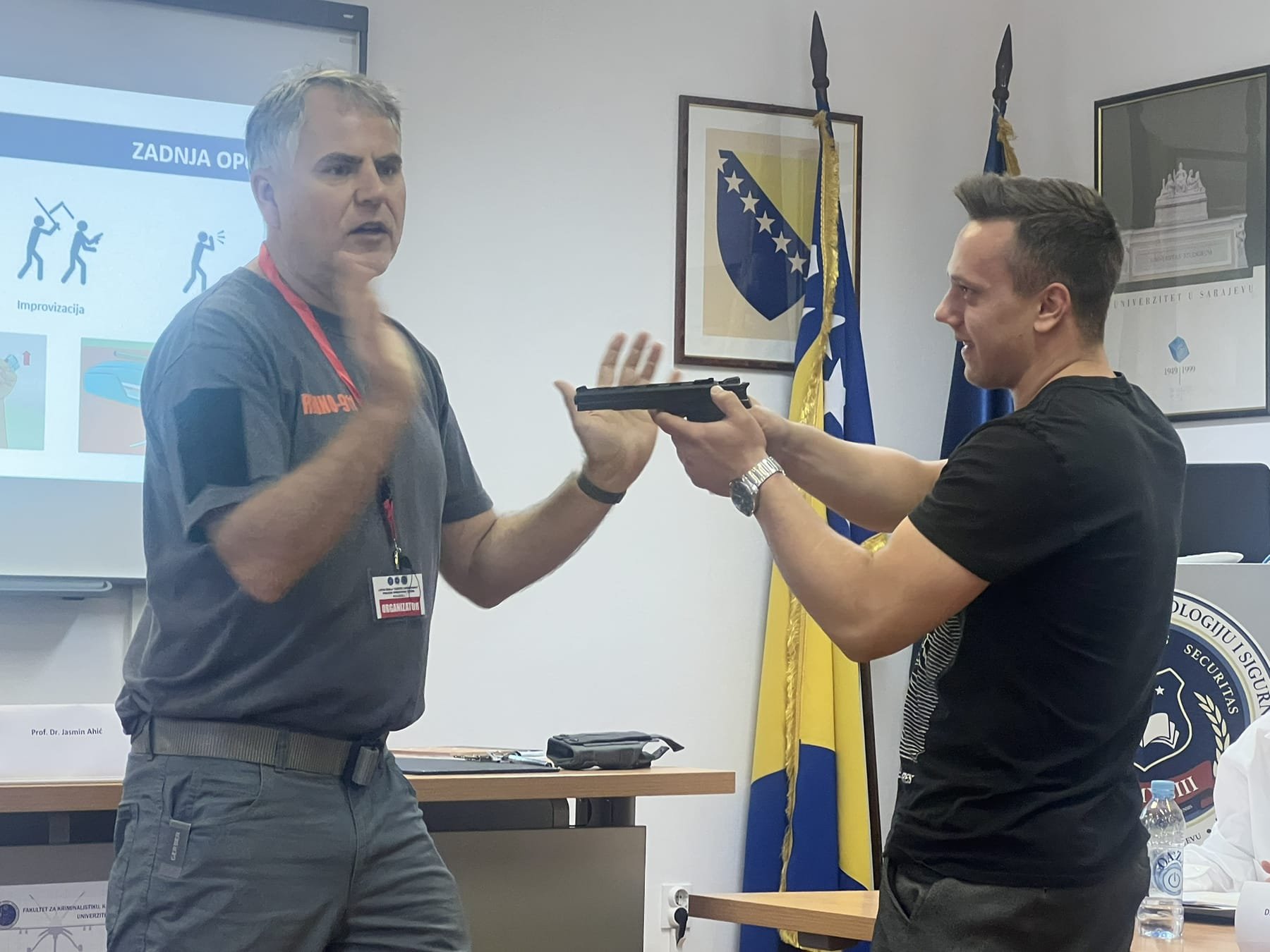
Best practices to improve survivability in an active shooter incident (Day 1)
POVEDI - Practical Operational Vulnerability Exercise on a Drone Incident (Day 4)
Read more about the event on the University of Sarajevo's blog at www.fkn.unsa.ba/post/otvaranje-ljetne-škole-zaštita-i-spašavanje-pokazna-operativna-vježba.


Master's Workshop: Modern Methods in Border Monitoring and Protection of Key Infrastructure
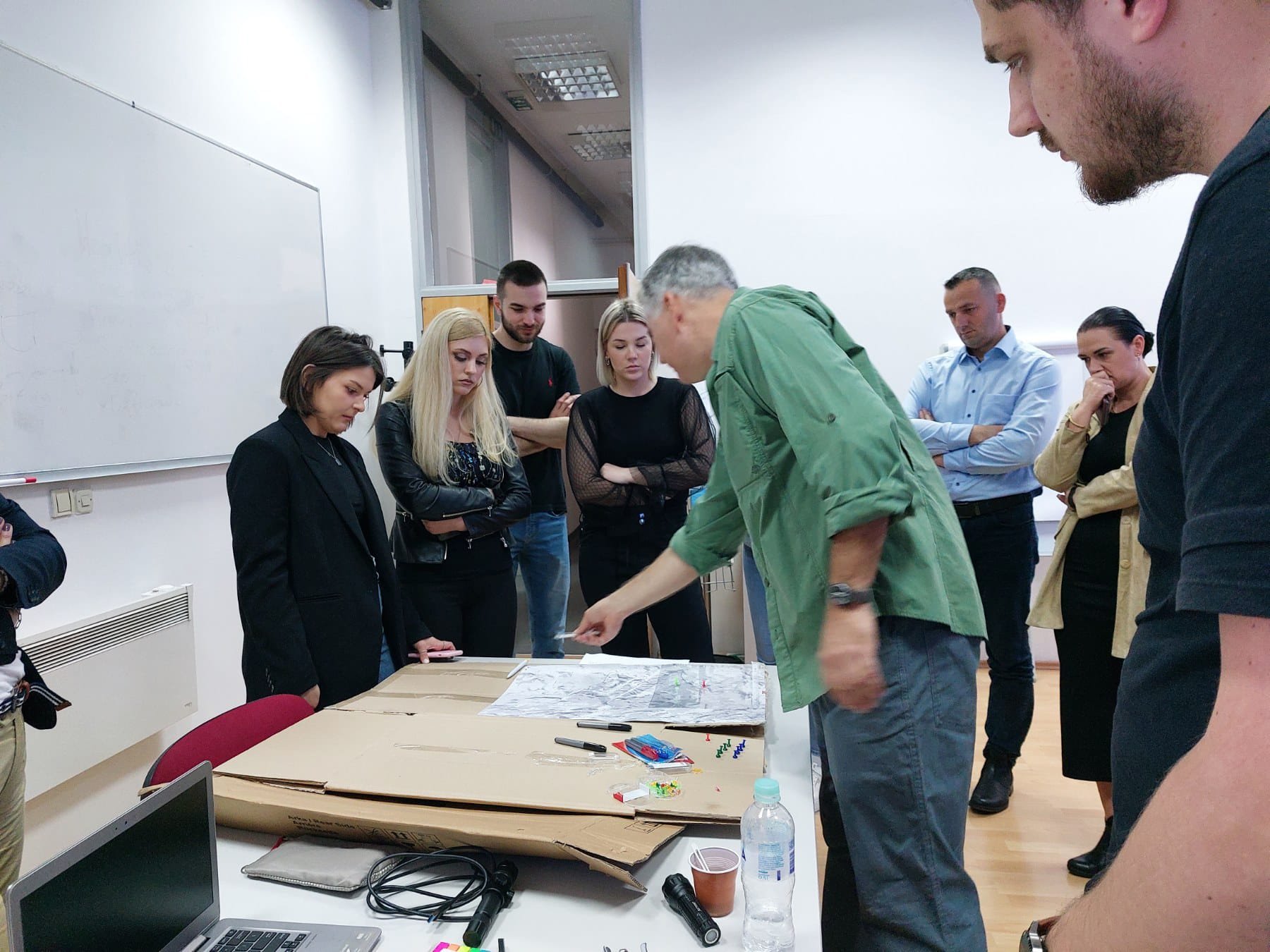
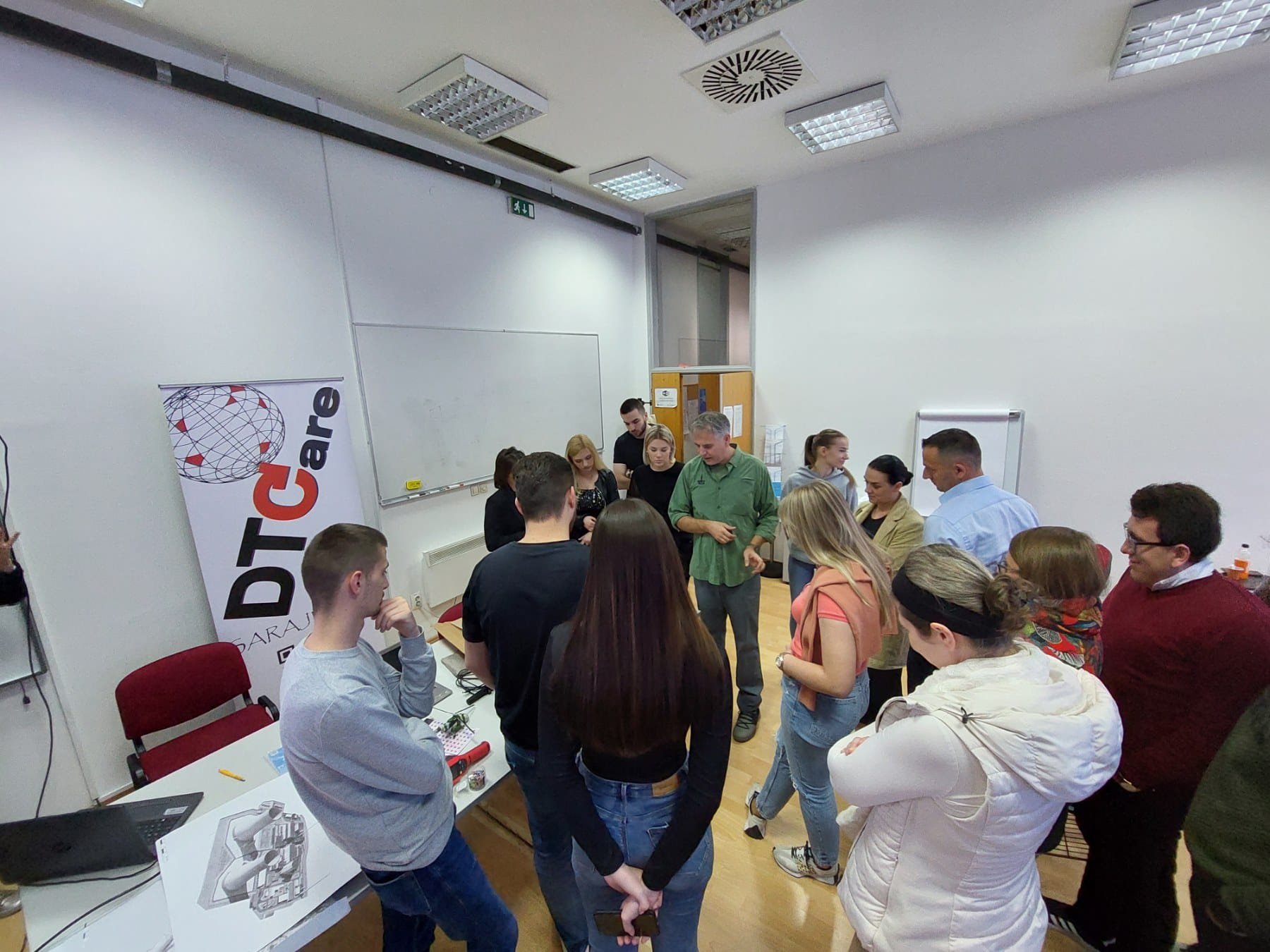
DTCare proudly co-organized a master's workshop on the modern methods in border monitoring and protection of key infrastructure in collaboration with the University of Sarajevo's Center for Interdisciplinary Studies (CIS) and SHOT L.L.C. Zenica on May 27, 2023. 20 Participants joined Dr. Amer Smailbegović (DTCare) and Prof. Nedzad Korajlić (Center for Human Rights, UNSA) to explore the recent program law enforcement implemented in the Sarajevo region to modernize the monitoring of the border zone with the use of sensor systems, radars, drones, and advanced communication systems. The operational use of these aids requires considerable technical literacy of the future professional staff. The "International and Regional Security" master’s program, organized by the Center for Interdisciplinary Studies, in cooperation with the representative office of DTCare NGO, promotes thematic and practical workshops aimed at the efficient use of such systems, as well as a general approach to security philosophy in the world.
The workshop's goal is to familiarize future security and emergency management professionals with technical solutions, the applicability of equipment in the field, limitations, and best practices in border monitoring and protection of critical infrastructure. Thematic units from the workshop included:
Physics of sensors and sensing
Protection of the border zone or critical infrastructure - breaching the protection - demonstration
Desktop exercise - blue/red team - object diversion and object protection
Drones and UAS - incursions/incidents/audit and review of the evacuation plan from a drone incident
Techniques of working with spatial data and digital archives in the public domain
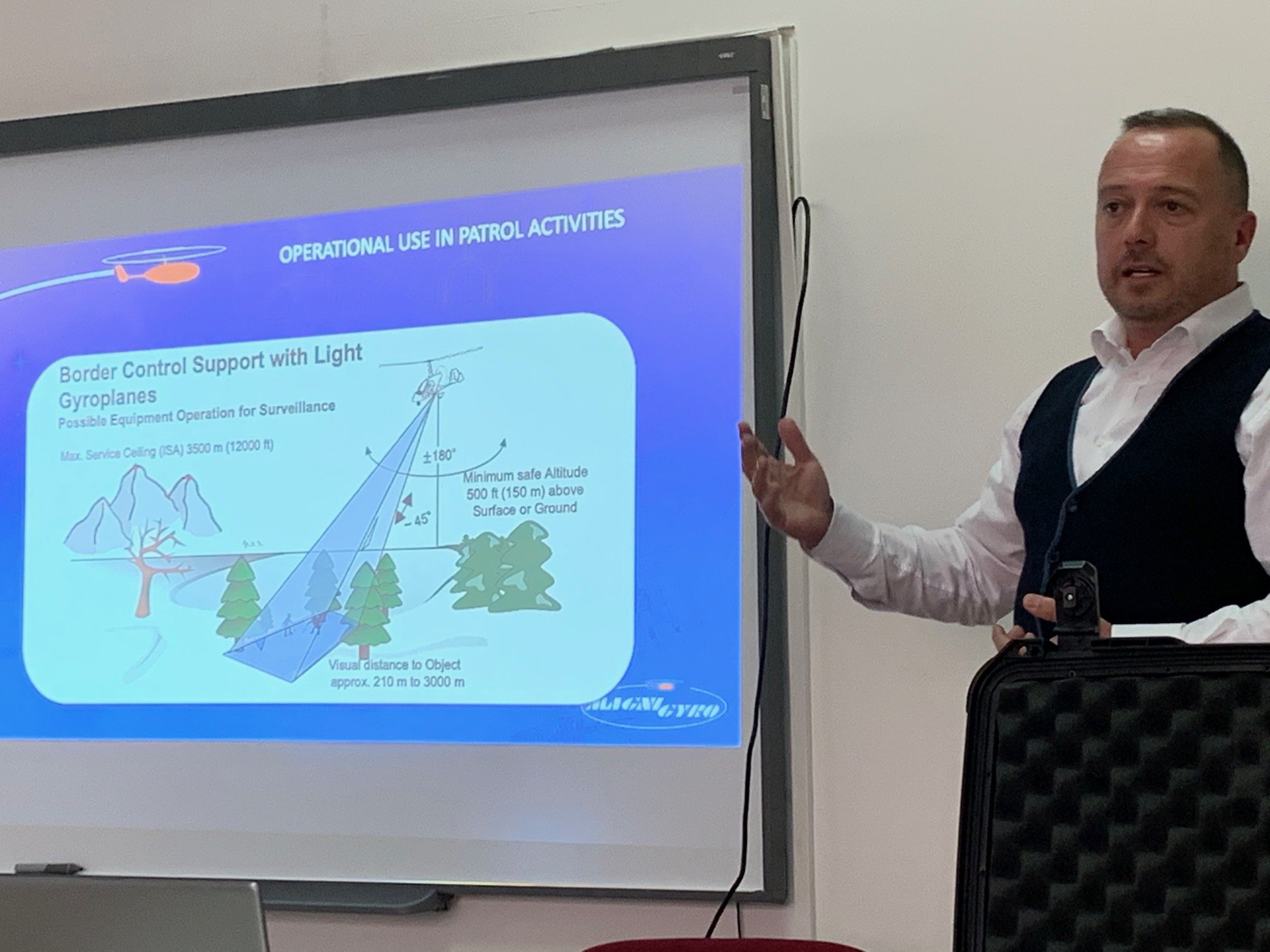
Demonstration of Modern Surveillance, May 2022
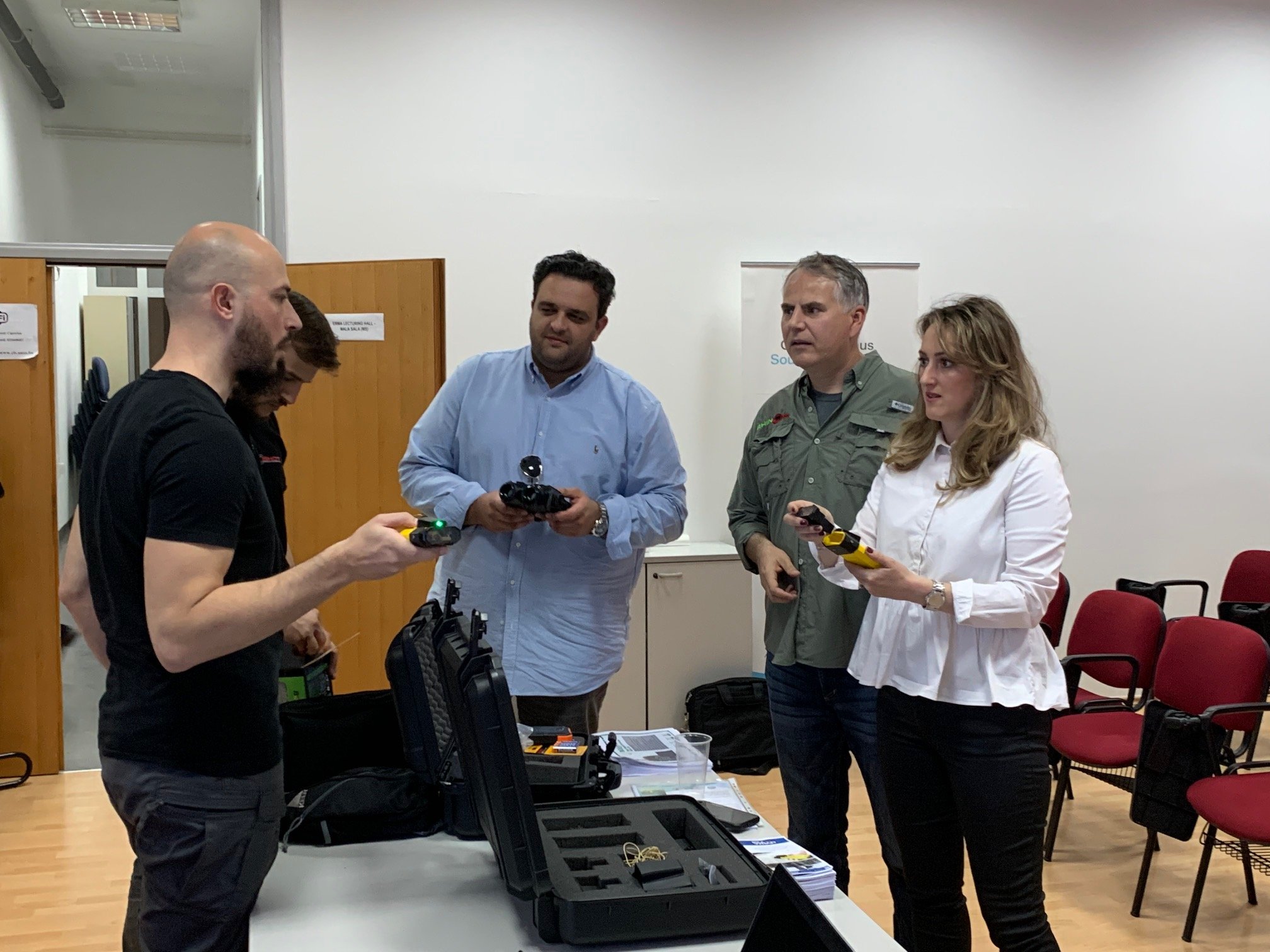
Demonstration of Modern Surveillance
DTCare Sarajevo in cooperation with the Center for Interdisciplinary Studies "Zdravko Grebo" of the University of Sarajevo, organized a two-day professional education seminar and demonstration of modern surveillance equipment for borders and critical infrastructure on the 22nd and 23rd of April 2022.
The seminar featured several domestically-produced reconnaissance systems by SHOT d.o.o. Zenica and Autogyro Adriatic d.o.o. Sarajevo and foreign companies DefSecIntel from Estonia and partners from the USA. The objectives were to enhance the level of technical literacy and familiarity with modern border surveillance equipment and point out technological achievements and monitoring strategies for border traffic control and targeted surveillance of critical infrastructure areas.
During the theoretical part of the seminar, lecturers from BiH, Estonia, and the USA lectured on the best practices, strategies, and applications of the surveillance technology, and during the technical part of the seminar, organized at the sporting airfield of the SBA Flight School in the highlands of Nisici, demonstrated the use of gyrocopter and mobile border control units. Representatives of agencies from the security sector, civil defense, law enforcement, international organizations in BiH, and the NGO sector attended the seminar.
The seminar is part of the global program of DTCare to support organization and capacity building for law enforcement and also part of the interdisciplinary master's curriculum study for the International and Regional security of the Center for Interdisciplinary Studies at the University of Sarajevo.